The Gen Z Skills That Will Matter Most in 2026
AI is changing how people work, but that does not mean every valuable career skill is technical.

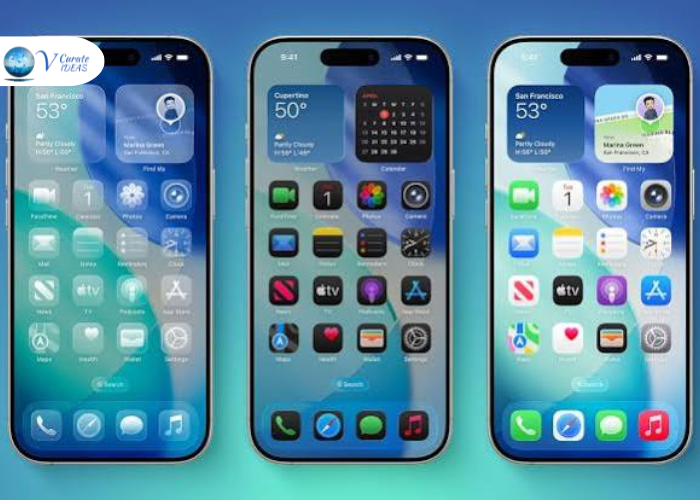
Every few years, Apple introduces a software design that changes how millions of people interact with their devices. Some updates focus on new features, while others redefine the visual identity of the entire operating system. Apple Liquid Glass falls into the second category. It is not simply another interface refresh. It represents Apple's attempt to make software feel more fluid, immersive, and connected across its ecosystem.
For years, users have become accustomed to flat interfaces that prioritize simplicity and clarity. With Apple Liquid Glass, Apple moves toward a design language that introduces depth, transparency, motion, and layered visuals without abandoning usability. It is an ambitious redesign that immediately stands out while remaining unmistakably familiar.
The first impression of Apple Liquid Glass is its sense of movement. Menus, widgets, navigation bars, and system controls respond with subtle animations that create the illusion of physical depth. Instead of static layers sitting on a screen, the interface feels dynamic and adaptive.
Apple has always emphasized visual consistency, but this update goes beyond appearance. The interface reacts naturally to different backgrounds, lighting conditions, and applications, making the software feel less mechanical and more responsive.
The result is an operating system that feels modern without overwhelming users with unnecessary visual effects.
Beautiful software means very little if it becomes difficult to use. One of the strengths of Apple's new UI design is that the visual enhancements rarely interfere with navigation.
Transparency is used carefully rather than excessively. Buttons remain easy to identify. Menus stay readable. Notifications continue to prioritize clarity over decoration.
This balance is important because software design should improve the experience instead of becoming a distraction. Apple appears to understand that users interact with their phones hundreds of times every day, making comfort and familiarity just as valuable as innovation.
One of the biggest advantages of Apple Liquid Glass is how naturally it extends across multiple devices. Whether using an iPhone, iPad, Mac, or Apple Watch, the visual language feels connected.
Consistency has always been one of Apple's strongest competitive advantages. This redesign strengthens that identity by making transitions between devices feel seamless. Icons, animations, menus, and interface elements share a common personality, creating a more unified ecosystem.
For users already invested in Apple products, this consistency improves the overall experience more than any single feature could.
A visually rich interface often raises concerns about speed and battery life. Fortunately, Apple Liquid Glass demonstrates that modern design does not necessarily require sacrificing performance.
Animations feel smooth, transitions remain responsive, and interactions rarely introduce noticeable delays. Instead of making the operating system feel heavier, the redesign maintains the responsiveness users expect from Apple's software.
This balance between visual sophistication and performance is what separates polished software from experimental concepts.
Technology has become increasingly visual. Social media, content creation, digital art, and mobile photography have changed what users expect from software.
The appeal of Apple Liquid Glass extends beyond aesthetics because it aligns with how modern users interact with technology. Interfaces today are expected to feel intuitive, expressive, and enjoyable rather than purely functional.
For younger users especially, software design contributes to the overall experience of owning a device. A smartphone is no longer just a communication tool. It is a workspace, entertainment center, creative platform, and everyday companion.
Apple understands that design influences emotional connection as much as technical capability.
Every major software redesign faces skepticism. Some users naturally prefer familiar interfaces, while others immediately embrace change. Apple Liquid Glass successfully finds a middle ground by introducing meaningful visual evolution without forcing users to relearn the operating system.
Rather than chasing trends, Apple has refined its design philosophy in a way that feels intentional and practical. The interface looks contemporary while preserving the usability that has made iOS accessible for years.
Apple Liquid Glass is more than a cosmetic update. It represents one of Apple's most thoughtful software redesigns in years, combining visual elegance with everyday practicality.
It may not revolutionize how people use their devices overnight, but it makes daily interactions feel smoother, richer, and more engaging. That is exactly what a successful interface redesign should accomplish.
Rating: 4.8/5
If you appreciate modern software design, Apple ecosystem updates, and innovative user interface experiences, Apple Liquid Glass is one of the most significant software developments of the year and sets a compelling direction for the future of iOS.
AI is changing how people work, but that does not mean every valuable career skill is technical.

Here’s what still works, what is overcrowded, and how to build something people will actually pay for.

Learn what Gen Z values in relationships, from communication and trust to emotional growth and healthy connections.
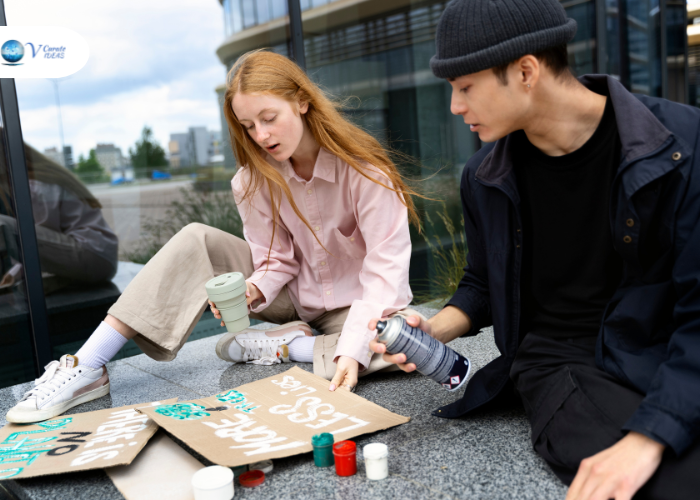
Discover how the creator economy is helping Gen Z build meaningful careers through creativity and innovation.

Discover the Top 100 Gen Z startups transforming technology, careers, wellness, and the future today.
© Copyright 2019 - 2026, All Rights Reserved