Sustainable Fashion Is The New Flex
Gen Z drives ethical brands, and conscious style globally

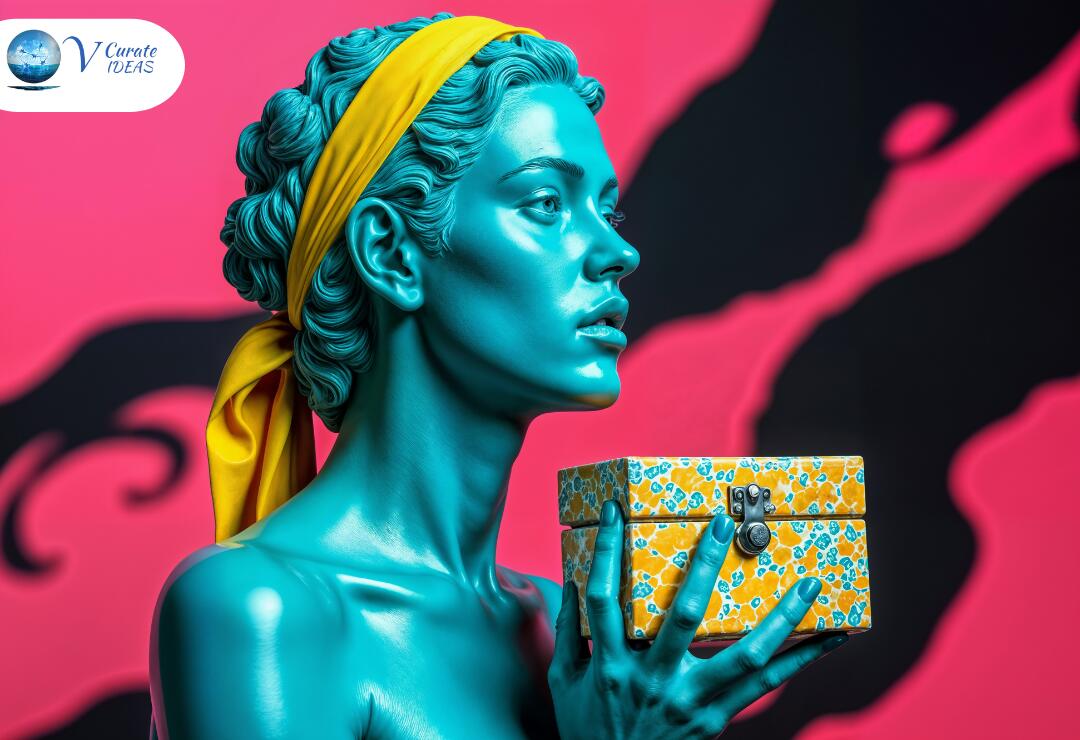
The rise of AI powered creativity is not replacing Gen Z imagination, it is expanding it in ways older generations still struggle to understand. For years we were told that technology would make art less human, yet what we are witnessing is the opposite. Young creators are using generative AI tools to design fashion concepts, produce bedroom pop albums, draft short films, and build entire digital brands from a single laptop. The debate around AI in creative industries often centers on fear, but from a practical perspective, this is one of the most exciting shifts in modern culture. When a college student can use AI design software for beginners to create professional level visuals without expensive training, the barrier to entry collapses. That is not the death of creativity, that is the democratization of it.
There is also an economic reality that cannot be ignored. The creator economy is no longer a side hustle trend. It is a serious ecosystem where monetization happens through content platforms, brand partnerships, and digital products. By integrating AI content creation tools, young entrepreneurs are scaling faster than ever before. A small online shop can generate product descriptions, optimize listings with SEO friendly content strategies, and test multiple brand identities in a week. Efficiency becomes a superpower. Yet the human touch remains the differentiator. Audiences still crave authenticity, storytelling, and emotional intelligence. AI can generate ideas, but it cannot replicate lived experience, cultural nuance, or personal struggle. That is where Gen Z thrives.
What makes this era powerful is the hybrid mindset. The smartest creators are not asking whether AI will take their place. They are asking how to collaborate with it. Using AI for social media growth, they analyze trends in real time, adjust content angles, and speak directly to niche communities. The result is sharper messaging and stronger engagement. Instead of fearing automation, young creatives are learning prompt engineering the same way previous generations learned Photoshop. It becomes a literacy. In the long term, those who combine technical fluency with emotional depth will dominate the landscape. Creativity is not disappearing. It is evolving into something more strategic, more accessible, and arguably more global than ever before.
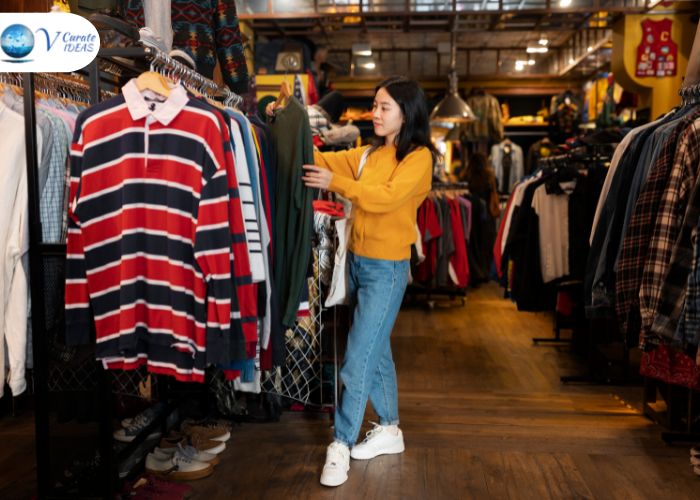
Gen Z drives ethical brands, and conscious style globally

To scale content, build income, and grow brands faster

Elon Musk is famous for being an environmental entrepreneur and businessman. Let's take a survey to know why is he so famous :)

This survey is aimed at knowing the way social media is affecting our youth in both positive and negative ways.

Do you choose products for quality and style or just the brand name?

Do we spend on fashion to enhance personality, or just to keep up with others?
© Copyright 2019 - 2026, All Rights Reserved